Music Therapy

Music therapy can make a tremendous difference for students of all ages with any type of special need. Children and adults with mental health needs, developmental and learning disabilities, brain injuries, physical disabilities, Alzheimer’s and other aging related conditions or those in acute and chronic pain are all welcome to participate in individual or group music therapy at Community Music School.

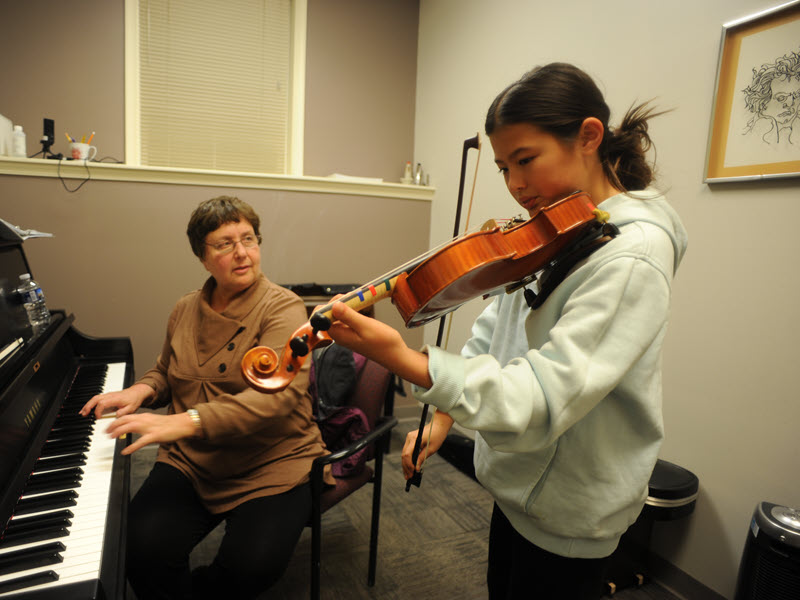
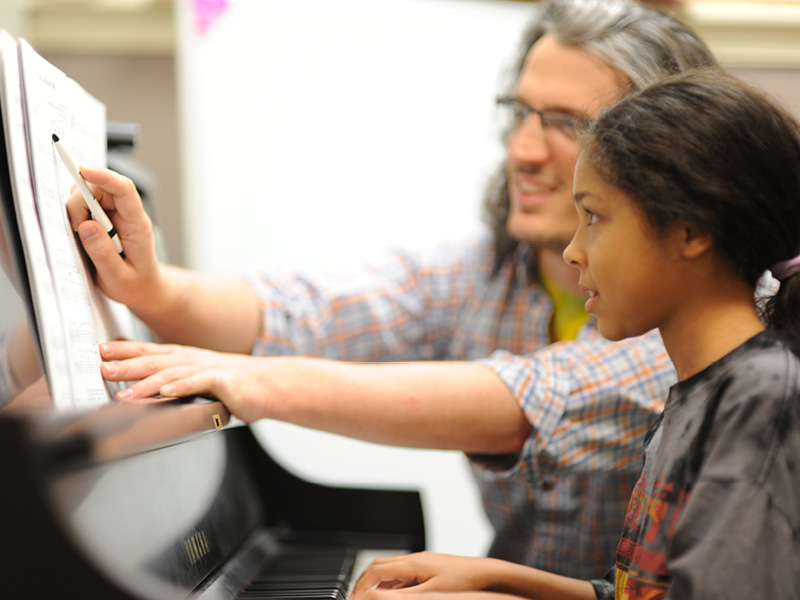
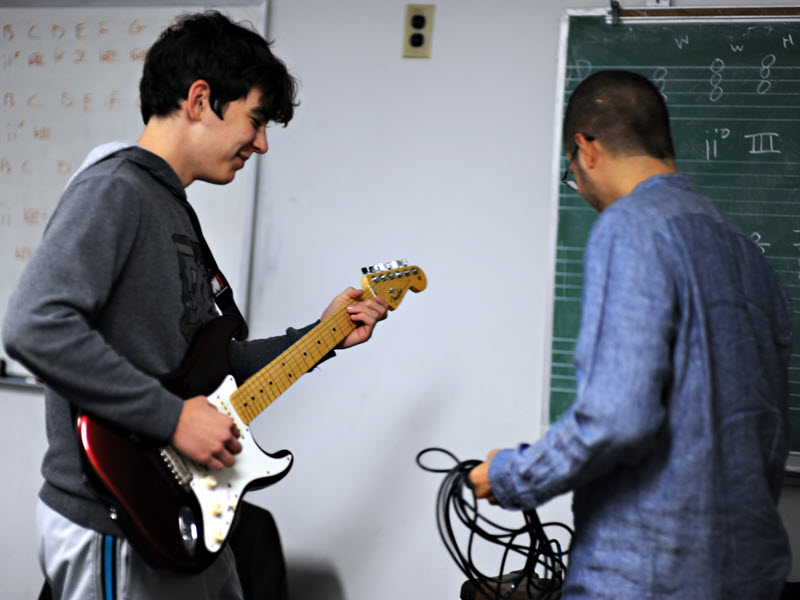
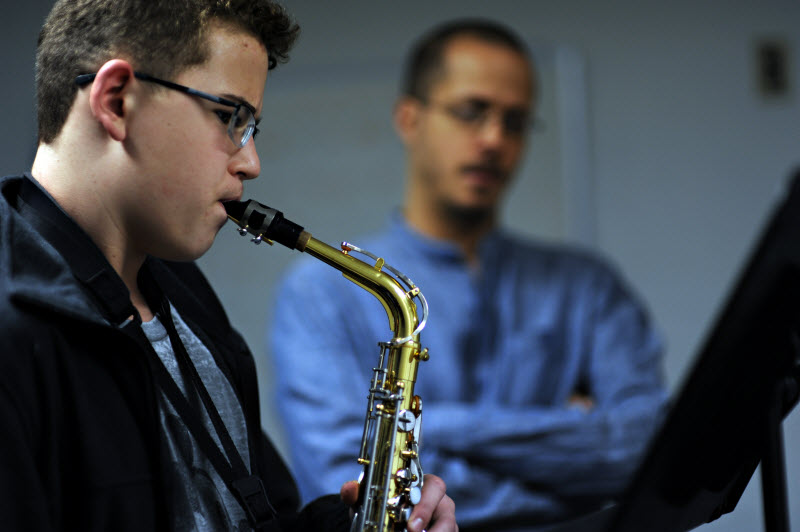
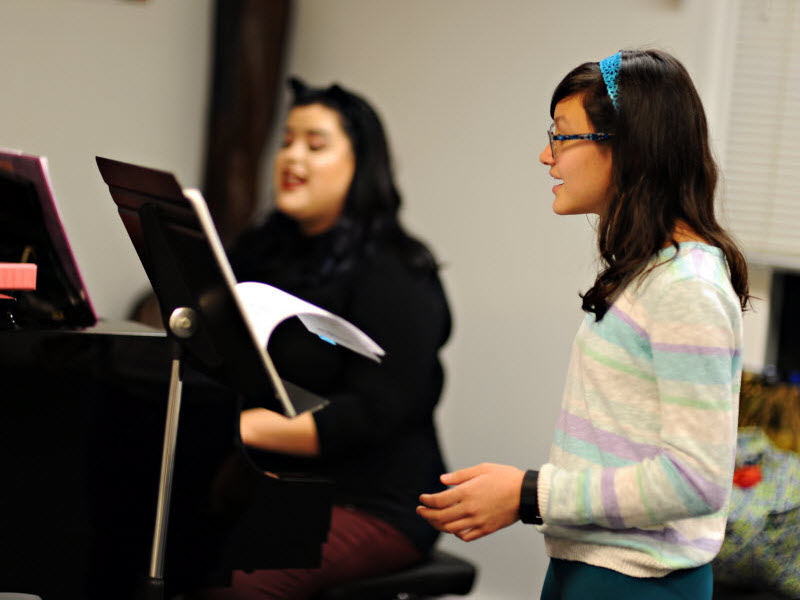
Discover expert private music therapy at Community Music School (CMS), designed for students of all ages and skill levels—from young beginners to advanced performers. Our therapy program offers weekly one-on-one instruction with highly qualified, board-certified, degreed teachers who specialize in a wide variety of musical styles and genres. Students benefit from access to the CMS music library, complimentary masterclasses and concerts, and rehearsal time with a professional accompanist in our 200-seat recital hall —all included in affordable monthly tuition. Lesson durations are available in 30, 45, or 60-minute sessions, with discounts offered for students studying multiple instruments.
Enrollment Details

Enrollment takes place through our new enrollment software ASAP! This system will allow you to easily manage your account, pay invoices, see past enrollments, and even share files with your instructor. Please follow the below instructions to create an account in our new system and complete enrollment!

1.) Visit https://cmsmusic.asapconnected.com/

2.) Create an account (under “Login” top right) before completing the online registration. Account creation will allow you to make payments, send files to faculty and view past enrollments,

3.) Once logged in, to enroll in Private Lessons, click the home (house) icon and please select “Private Lessons” to the left and complete inquiry form.  Our registrar will be in touch to complete registration after reviewing all information.

4.) Once registrar completes enrollment, please log back in after receiving invoice to process payment if you did not choose auto-pay.  Registration fee must be paid to guarantee timeslot.

What is Music Therapy?

Music Therapy is the clinical and evidence-based use of music interventions to accomplish individualized goals within a therapeutic relationship by a credentialed professional who has completed an approved music therapy program. (American Music Therapy Association definition, 2005)

What Do Music Therapists Do?

Music therapists assess emotional well-being, physical health, social functioning, communication abilities, and cognitive skills through musical responses; design music sessions for individuals and groups based on client needs using music improvisation, receptive music listening, song writing, lyric discussion, music and imagery, music performance, and learning through music; participate in interdisciplinary treatment planning, ongoing evaluation, and follow up. (American Music Therapy Association definition)

Who Can Benefit From Music Therapy?

Children, adolescents, adults, and the elderly with mental health needs, developmental and learning disabilities, Alzheimer’s disease and other aging related conditions, substance abuse problems, brain injuries, physical disabilities, and acute and chronic pain, including mothers in labor. (American Music Therapy Association definition)

How Do I Get Started with Music Therapy at CMS?

All music therapy applicants are given an initial assessment. During the assessment, the therapist determines the nature of the applicant’s special needs, their emotional wellbeing, level of social functioning, communication abilities and cognitive skills. After the initial assessment, the therapist will make appropriate study recommendations to meet the needs and goals the student. Once an appropriate course of therapy has been recommended and agreed upon between therapist and parent/caregiver, music therapy sessions can begin. Individual music therapy sessions are billed at the Master Faculty rate.

Adapted Music Therapy Lessons

Adaptive Music Lessons are focused on learning a musical skill such as playing an instrument or singing, but the lessons and approach are designed to include extra support as needed. This might include physical adaptations and/or cognitive adaptations. Building musical skill increases self-confidence and self-esteem and enhances self-expression and creativity, which improves quality of life. Lessons may be anywhere from 30 to 60 minutes weekly and are typically once per week, depending on attention span and needs.